Information and Links about Linkedin verification
We have combined a range of articles and comments about Linkedin verification and data security. It is up to you to decide what's you are comfortable with: (PS: Some of the articles may be subscription or paywalled)
The LinkedIn verification badge presents a clear trade-off: a powerful tool for professional credibility and platform trust, but one that comes with significant privacy costs and opaque data-handling practices. The controversy is heightened by the involvement of Peter Thiel-linked verification provider Persona, which has fueled conspiracy theories and deep-seated distrust about the ultimate destination of sensitive identity data.
What is even more concerning is the research done by Browsergate where they have identified multiple concerning actions by Microsoft and Linkedin
The Pros: Credibility, Reach, and Security
For professionals navigating the competitive LinkedIn ecosystem, the verification badge offers several tangible advantages:
- Increased Reach and Engagement: Verified members reportedly see about 50-60% more engagement on their content because the algorithm rewards the trust signal of a confirmed identity. This means higher visibility and a wider audience for your professional updates.
- Enhanced Personal Brand Credibility: The blue checkmark acts as a signal of authenticity, making it easier for hiring managers, recruiters, and potential clients to trust your profile. This can improve connection acceptance rates and search result ranking.
- Combating Fake Profiles: Verification helps LinkedIn combat the flood of fake recruiters, bot accounts, and fraudulent profiles that plague the platform, making the professional ecosystem safer and more reliable for everyone.
- Account Recovery: In some cases, a verified identity can serve as a tool for account recovery if you are locked out, although some users have also reported being locked out and forced to use verification to regain access.
The Cons: Data Collection, Privacy, and the Peter Thiel Connection
The primary concerns revolve around the data collection process and the involvement of third-party verification vendor Persona Identities.
The negative trade-offs are significant and wide-ranging:
Extensive Data Collection: During verification, you are required to submit highly sensitive personal information to a third-party provider. Reports indicate that Persona collects data including:
- Passport/ID Data: Full name, photo, nationality, date of birth, and even data from the passport's NFC chip.
- Biometrics: A live selfie and facial geometry data.
- Device and Location Data: IP address, geolocation, device type, MAC address, browser, and OS version.
- Behavioral Data: "Hesitation detection" tracking how long the process takes and where you pause.
- Data Sharing with a "Global Network": According to an analysis by a user named Rogi, this data is not just shared with LinkedIn and Persona, but also with Persona's extensive "global network of data partners" or subprocessors. These include major tech companies like AWS, Google Cloud Platform, OpenAI, and Anthropic. The CEO of Persona contested the scope of this sharing, stating that the public list is misleading and that not all subprocessors are used for every client (including LinkedIn), but the lack of clarity remains a core concern.
- Ambiguous Data Retention: While LinkedIn and Persona claim biometric data is deleted after processing, other data may be retained for up to 30 days. LinkedIn itself admits it stores photos from government IDs, and the exact retention periods for user data are not publicly known.
The Peter Thiel Factor and Conspiracy Theories
The controversy is significantly amplified by Peter Thiel's involvement. He is a major investor in Persona and co-founder of Palantir, a data-mining and surveillance company with extensive government contracts. This connection fuels conspiracies, leading people to speculate:
- Surveillance and Data Aggregation: The core conspiracy theory suggests that the verification process is not just for LinkedIn's benefit but is a data-gathering operation for surveillance purposes. The link to Thiel and Palantir leads many to believe the biometric and personal data could be integrated into broader government or corporate intelligence databases.
- Data Sharing with US Authorities: Terms of service indicate that Persona may hand over data to law enforcement or government agencies when requested. The fact that the data is transferred to US-based companies means it is also subject to the US CLOUD Act, which can compel American tech companies to share data with US authorities, even for non-US citizens.
- A "Trust Theater": Some tech professionals view the verification badge as "trust theater"—a system that gives the appearance of security without actually reducing underlying risk. The high-tech architecture (using AI and LLMs) and third-party data sharing are seen as increasing the attack surface for cybercriminals.
A Calculated Risk
Ultimately, deciding whether to verify is a personal risk-benefit analysis. The professional benefits—credibility, visibility, and a cleaner platform—are clear and measurable. However, these come at the cost of handing over a vast array of sensitive personal and biometric data to a network of third-party vendors, which creates significant privacy and security risks. The presence of Peter Thiel and the surveillance capitalism model of companies like Persona only deepens the public's unease about where this data is truly going and what it will be used for.
Sources:
https://browsergate.eu/executive-summary/
https://www.ibtimes.co.uk/discord-cuts-ties-persona-surveillance-concerns-1781345
https://readyforsocial.com/2025/04/09/the-pros-and-cons-of-the-linkedin-verification-2/
https://medium.com/bitchy/linkedins-verification-system-is-sexist-6515eebad0c4
https://climbtheladder.com/is-linkedin-verification-safe-risks-and-benefits/
https://www.adnohrdocs.com/post/does-linkedin-verification-really-matter
https://www.linkedin.com/pulse/linkedin-verification-worth-risk-william-freitas-32flc/
https://aceofmedia.co.uk/linkedin-verification-pros-and-cons/
https://megaphone.network/blog/should-you-get-verified-on-linkedin
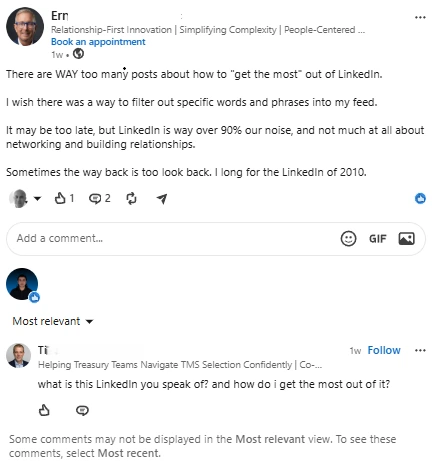
Actual comments